Elite
Football
University
189
Graduates
83%
Pro Football Placement Rate
15
Lecturers
16
Guest Speakers
EN
Language
Live
Online and Offline
Our Story
A question nobody was answering
It started with a conversation between two football analysts in Kyiv. They had both worked inside clubs, watched hundreds of hours of match footage, built data pipelines from scratch — and they'd both noticed the same problem.
Every year, hundreds of young people wanted to work in professional football. They took tracks. They got certificates. Then they arrived at a club and had no idea what to actually do.
The gap between football education and football reality was enormous. So in 2019, they decided to close it themselves.
"We weren't building an academy. We were building the track we wished had existed when we were starting out."

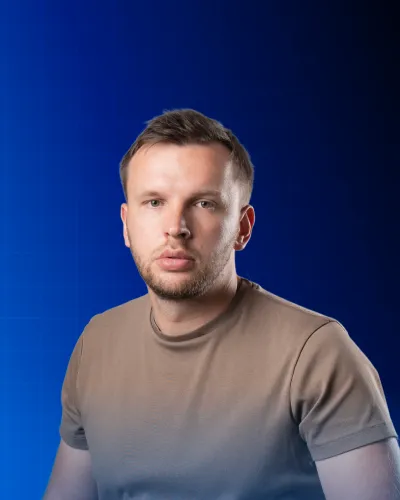
Gleb Platov
Co-Founder
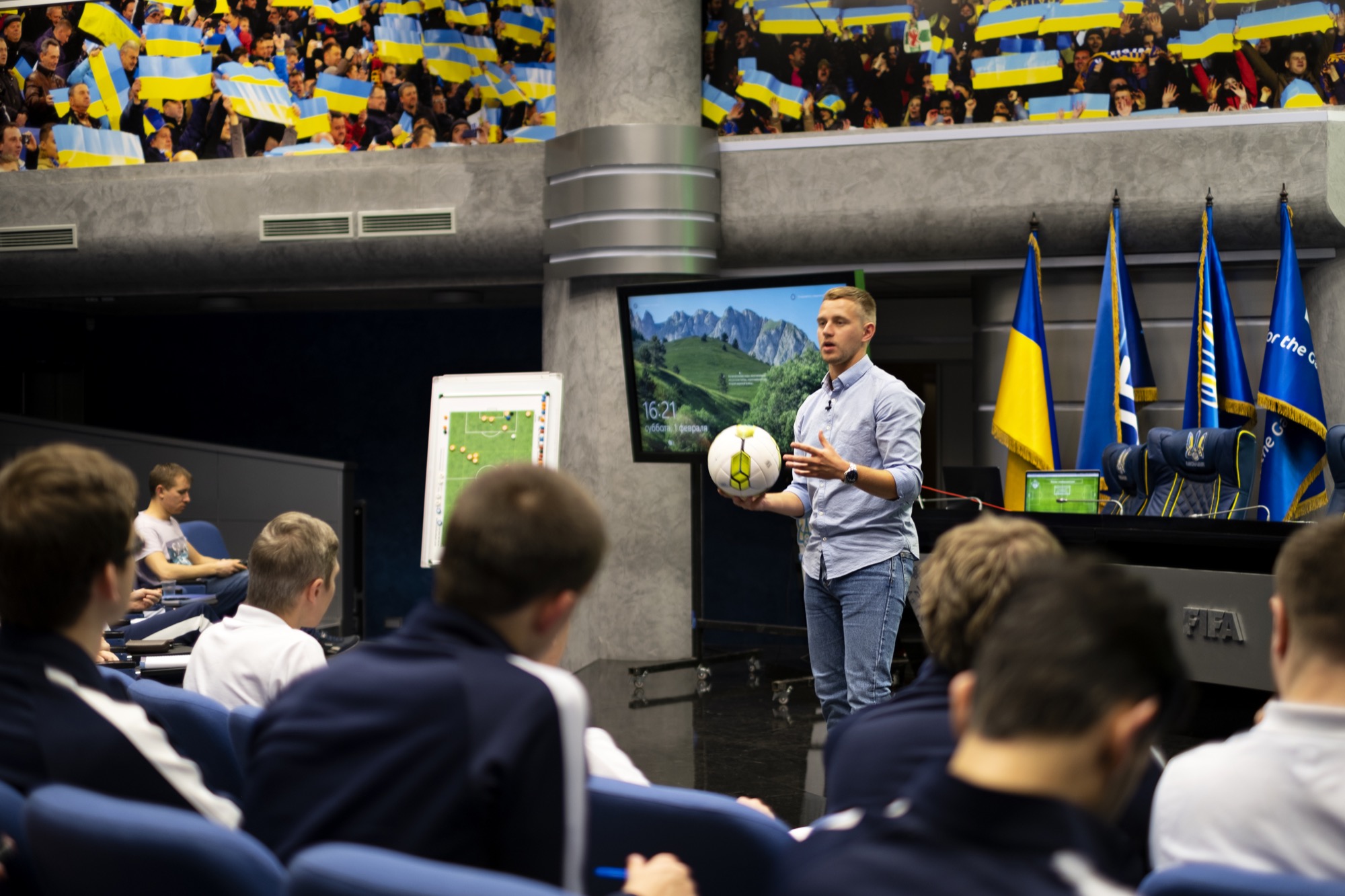
Gleb Korniyenko
Co-Founder
Then the world stopped. We didn't.
The first cohort finished in March 2020 — the same week lockdowns began across Europe. Moving online wasn't optional. It was survive or close.
They chose to survive. Within two weeks, the entire programme was remote. Within a month, they had their first international students.
What started as a crisis became an advantage. Without the constraint of a physical location, they could bring in lecturers from anywhere. Analysts from German clubs. Scouts from Portugal. Performance specialists from the Premier League.
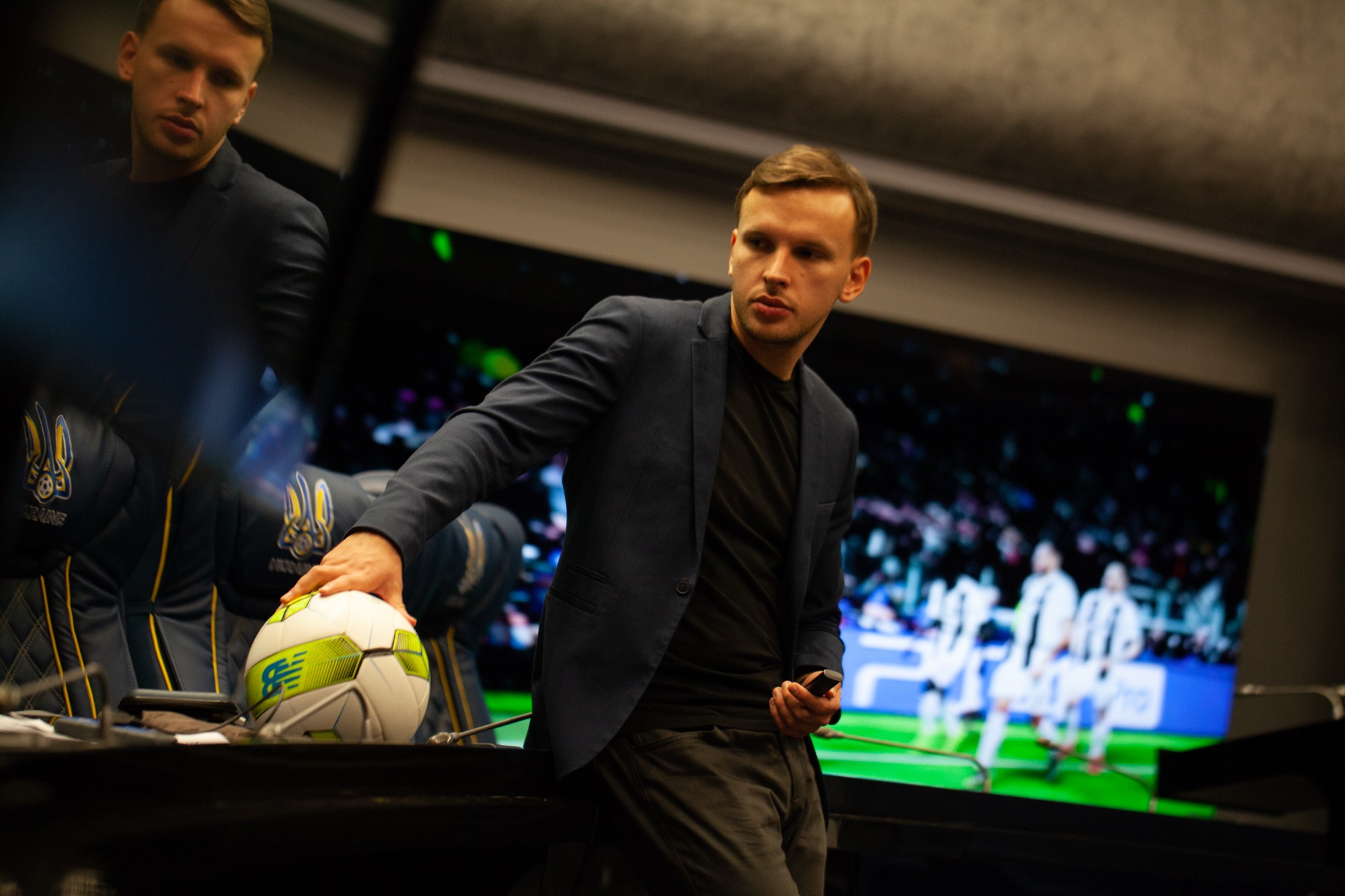
New tracks. New faculty. New standard.
By 2025, the Analysis and Scouting programmes had proven their model. Graduates were working inside clubs. The alumni network was spreading across leagues. The demand was clear: more people wanted in, across more disciplines.
Sports Management launched that spring. So did a Psychology track, developed in collaboration with practitioners from the Ukrainian national team setup. Football was always about more than tactics — it was time the curriculum reflected that.
The faculty grew to 20 specialists. Five countries. The same standard: no theorists. Only practitioners who were currently working in professional football.
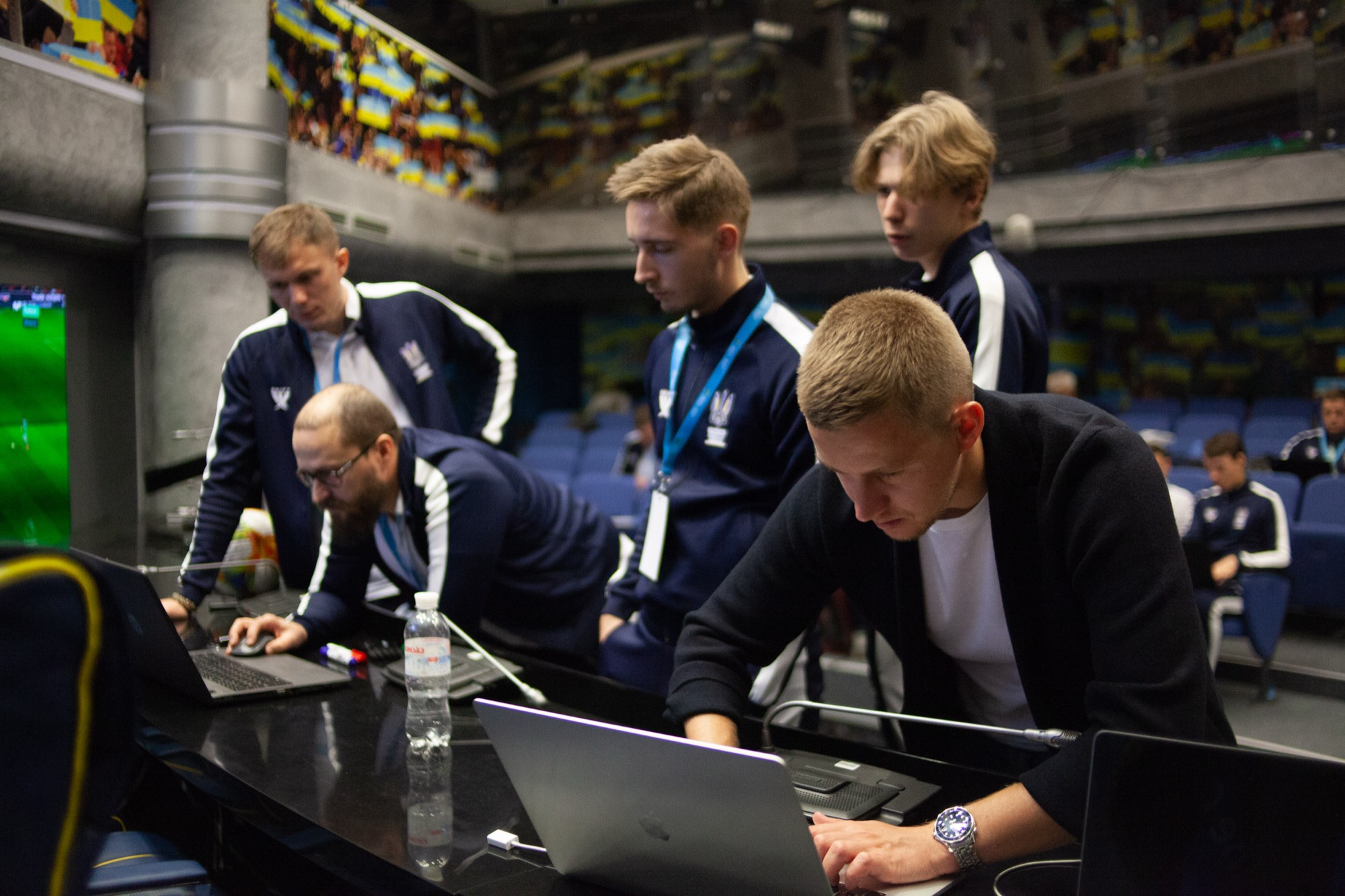
Built in Kyiv. Working everywhere.
Today, PASS University alumni work in clubs from the Ukrainian Premier League to the Bundesliga. They scout players, build data systems, advise coaching staff, and run academy departments.
The English-language programme launched this year — opening full access to students across Eastern Europe, the Middle East, and beyond. The model that started with 25 graduates in a Kyiv meeting room is now genuinely global.
The original question — why does football education ignore what actually happens inside clubs? — is still what drives every track, every hire, every decision.
"We don't measure success by how many students enroll. We measure it by where they are two years after they finish."
Gleb Platov
Co-Founder